Picture the second hour of a packed game night.
Your bartender is down on one knee in front of the back bar cooler, arm in to the shoulder, fishing for the last cold bottle of the lager half the rail just ordered. The front row is gone. The row behind it went in after the first rush and is lukewarm at best.
Then somebody at the end of the bar sends one back. "This is warm."
You have probably seen the other ways commercial bar refrigeration goes wrong, too. The glass-door cooler that looked great in the showroom fogs up every humid evening. Or the inspector swings the door open, spots the half-and-half for the Irish coffees parked next to the IPAs, and asks where your thermometer is.
Most of that trouble starts when one cooler gets asked to do three different jobs.
Picture the second hour of a packed game night
Quick answer: Most bars need two kinds of commercial bar refrigeration: a back bar cooler or bottle cooler for sealed drinks, and a separate refrigerator rated for food, held at 41°F (5°C) or below, for dairy, juice and cut fruit. Pick glass doors when guests can see the unit, a bottle cooler when a few bottled brands carry your volume, and solid doors when the cooler lives out of sight. Size it from your busiest hour, and check which Food Code edition your county or parish enforces before you buy.
Sound Familiar? The Bar Refrigeration Headaches Nobody Warns You About
Ask any bar manager what bugs them about their coolers and you'll hear some version of this list.
"We run out of cold beer right when it matters." The cooler looked big enough on paper. Nobody sized it for Saturday at 10. And a warm case loaded mid-rush won't be cold until the rush is over.
"It's like a space heater back there." Every refrigerator pushes out the heat it pulls from inside. Behind a bar, that heat lands on your bartender's legs or gets trapped in a closed cabinet, and the compressor pays for it.
"You can't even see the beer." Glass doors sweat in humid weather. In August, the display you paid extra for can turn into a foggy window.
"The inspector wrote us up for the cream." Dairy and cut fruit ended up in a cooler that was only ever rated for packaged drinks. And nobody could find the thermometer.
If two or more of those made you wince, keep reading. Each one has a fairly simple fix.
Zanduco 48" Two Sliding Glass Door Back Bar Cooler 335 L, 33 to 41°F (1 to 5°C)
The lowest-cost way into a full-width glass back bar. Good for narrow bars where swing doors would get in the way.
Sound Familiar? The Bar Refrigeration Headaches Nobody Warns You About
Ask any bar manager what bugs them about their coolers and you'll hear some version of this list.
"We run out of cold beer right when it matters." The cooler looked big enough on paper. Nobody sized it for Saturday at 10. And a warm case loaded mid-rush won't be cold until the rush is over.
"It's like a space heater back there." Every refrigerator pushes out the heat it pulls from inside. Behind a bar, that heat lands on your bartender's legs or gets trapped in a closed cabinet, and the compressor pays for it.
"You can't even see the beer." Glass doors sweat in humid weather. In August, the display you paid extra for can turn into a foggy window.
"The inspector wrote us up for the cream." Dairy and cut fruit ended up in a cooler that was only ever rated for packaged drinks. And nobody could find the thermometer.
If two or more of those made you wince, keep reading. Each one has a fairly simple fix.






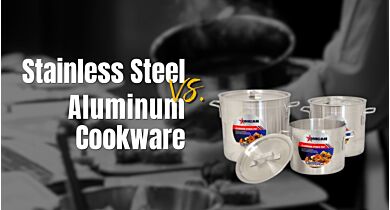 Battle of the Pots and Pans: Stainless Steel vs. Aluminum Cookware