 Free Shipping (On select items & orders)
 Track My Order






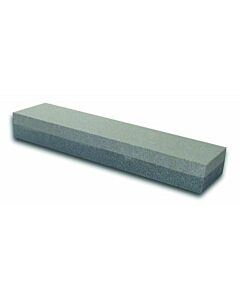
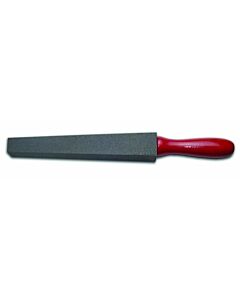
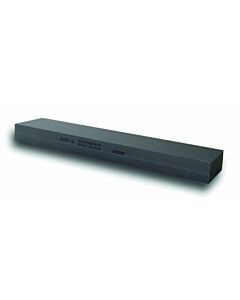
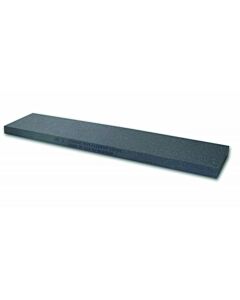
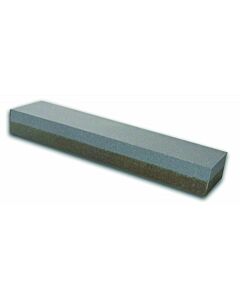
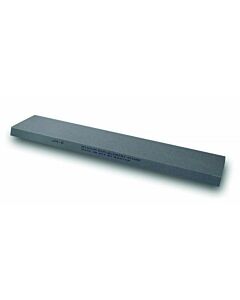
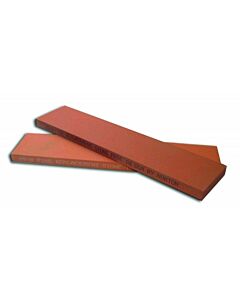
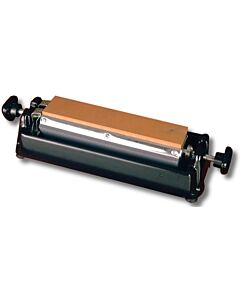
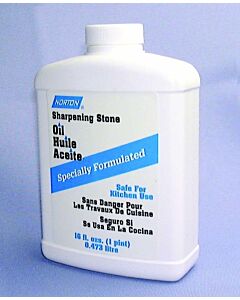
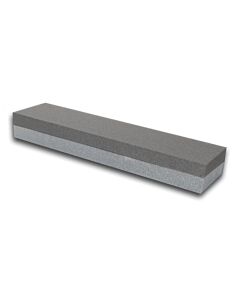
While sharpening steels are used to maintain the sharpness of your knives, a sharpening stone allows your knife to get a brand new edge every time you use it. Edges get dull over continuous use, and in a kitchen, knife lifespans can vary. Opt to upkeep your own knives at your home, butcher shop, or restaurant, by learning how to properly care and maintain your knives. Zanduco carries a selection of fine, medium, and course, in a variety of different materials. Oil for sharpening stones is used to lubricate the stones prior to sharpening, which will protect the stone, and prevent debris from building up.
The key to using sharpening stones is to sharpen with a consistent angle, as the angle determines how sharp your edges will be. If you are able to upkeep your knives constantly, remember that the smaller the angle used to sharpen is, the sharper the edge of the knife. Though sharp edges are the main goal of this task, the sharper the edge, the sooner the sharpness will fade. Ensure that your knives are being sharpened the proper amount, and only when they need to be maintained or sharpened, to preserve their full function.
Frequently Asked Questions
What grit should I look for in Sharpening Stones?
Start coarse to rebuild a dull or chipped edge, then move to medium and fine to refine it. Multi-stone oil kits pair coarse and medium Crystolon with a fine India stone so you can work through the stages. A graduated set of Sharpening Stones covers every edge.
How do I choose Sharpening Stones for a very dull versus a slightly dull knife?
Reach for a coarse stone when a blade is badly worn or chipped, and a fine stone when it just needs touching up. A combination oil stone set lets you do both without buying separately. Picking Sharpening Stones by edge condition saves time and metal.
Which Sharpening Stones come as a complete set?
Combination oil-stone kits bundle coarse Crystolon, medium Crystolon, and fine India stones with oil and a lid. These boxed Sharpening Stones cover rebuilding and polishing in one purchase. Keep them near your knife storage so upkeep stays routine.
Do Sharpening Stones need oil or water?
The oil stones stocked here use honing oil, which floats away swept metal and keeps the surface cutting cleanly. Keep a bottle of oil with the set, since dry stones clog faster. These Sharpening Stones are built for oil, not water.
Why choose Sharpening Stones over a honing steel?
Stones grind a genuinely new edge, while a steel only realigns the one you have. When a knife stops biting even after honing, a stone brings it back. Most kitchens keep both, pairing Sharpening Stones with sharpening steels for daily upkeep.
Can Sharpening Stones handle both kitchen and butcher knives?
Yes. A coarse-to-fine oil stone set sharpens chef knives, cleavers, and breaking blades alike, since grit does the work regardless of blade type. Bigger blades just take more passes. One good set of Sharpening Stones keeps every knife in the kitchen sharp.
Is a single combination stone enough, or do I need multiple Sharpening Stones?
One two-sided stone, coarse on one face and fine on the other, covers most day-to-day sharpening. Busy kitchens that sharpen often may want separate coarse, medium, and fine stones for more control. Match your Sharpening Stones to your workload.

